Eight weeks.
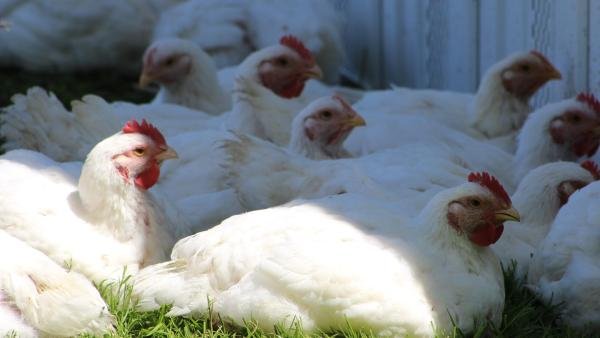
That's roughly how long a Cornish Cross lives before it becomes the chicken on your dinner table. It's a number that surprises people the first time they hear it, and one that deserves an honest answer instead of a marketing spin.
Cornish Crosses grow fast. That's what the breed was built to do. Some folks hear "fast growth" and picture something unnatural or rushed. We understand the concern. But speed of growth and quality of life are not the same thing. Our family takes control of the second (quality of life) completely, even if we can't change the first.
Here's what those eight weeks actually look like.
Week One: Life Under the Lamp
Every Cornish Cross chick starts in a brooder, kept warm under a heat lamp while they grow their first feathers and find their feet. Getting this stage right matters more than almost anything else in the chicken's life, and we've written a full guide to how we do it if you want the details. Beginner's Guide to Chick Care
During these first three weeks, they eat New Country Organics Pastured Perfect Starter, a feed we trust enough to sell to our own customers. Free feed and fresh water, available all day, every day. No shortcuts.
Weeks Two Through Eight: Out on Grass
As soon as they're ready, our chicks move outside into chicken tractors, bottomless pens that sit directly on pasture. In fact, if it's warm enough outside, they start here! This is where the difference in the way we raise really shows up.
We move every tractor daily. That means fresh grass, fresh bugs, and a clean patch of ground each morning, not standing in yesterday's 💩 err waste. As the birds grow, we thin them out into more tractors, until each one holds no more than 10 chickens. This is room to move and be a chicken.
Around the three week mark, we switch their feed to New Country Organics Pastured Perfect Grower, which sees them through to butcher weight.
The result: our Cornish Crosses end up larger than our heritage breeds are even at full maturity, in a fraction of the time. That's the genetics of the breed. What's not genetics is the grass under their feet, the daily fresh feeders, or the fact that a family checks on them personally, every single day, rain or shine.
Week Six to Eight: The Last Day
Between weeks six and eight, our Cornish Crosses go to Burgundy Farms in Hillsboro, Texas, for processing. We chose Burgundy Farms deliberately, the same way we chose everything else in this process: because we trust how they operate.
We don't pretend the last day isn't the last day. But we also don't believe a short life is the same as a lesser one. Every day these birds spent on our farm, they had grass, room, food, water, and a family loving on them every day. That's not nothing… And that's the whole point.
What Goes In, Comes Out
There's a simple truth we come back to often: what goes into an animal is what comes out in your food. Feed quality. Living conditions. Stress levels. Care. All of it ends up on your plate, one way or another.
We can't change how fast a Cornish Cross grows. That's built into the bird. What we can control, and what we take seriously every single day, is everything else. We supply the grass, the space, the feed, and the attention. Eight weeks isn't a long life. But it's a good one, and we think that matters just as much as anything printed on a label.